Index Plan
| S.No. | Topic / Chapter Title |
| 1. | All About October Month |
| 2. | The Autumn Season (Sharad Ritu) |
| 3. | October Diet & Flora |
| 4. | Nature Watch: October in the Aravallis |
| 5. | Festivals & Important Days of October 2026 |
| 6. | Special Focus: Dussehra (Vijayadashami): The Victory of Good over Evil |
| 7. | Inspiring Quotes on Truth, Dreams & Duty |
| 8. | Current Affairs (October 2026 Updates) |
| 9. | Monthly Moral Stories (Character Building) |
| 10. | Festival Stories (Cultural Heritage) |
Detailed Page-by-Page Content Outline
Topic 1: All About October Month
• October is the tenth month of the year and has 31 days. Its name comes from the Latin word ‘octo’, meaning eight, because it was the eighth month in the old Roman calendar.
• October 2026 begins on a Thursday.
• Mahatma Gandhi was born on 2 October 1869 in Porbandar, Gujarat. The United Nations observes his birthday as the International Day of Non-Violence.
• Dr. A.P.J. Abdul Kalam, the ‘Missile Man of India’ and our 11th President, was born on 15 October 1931 in Rameswaram, Tamil Nadu.
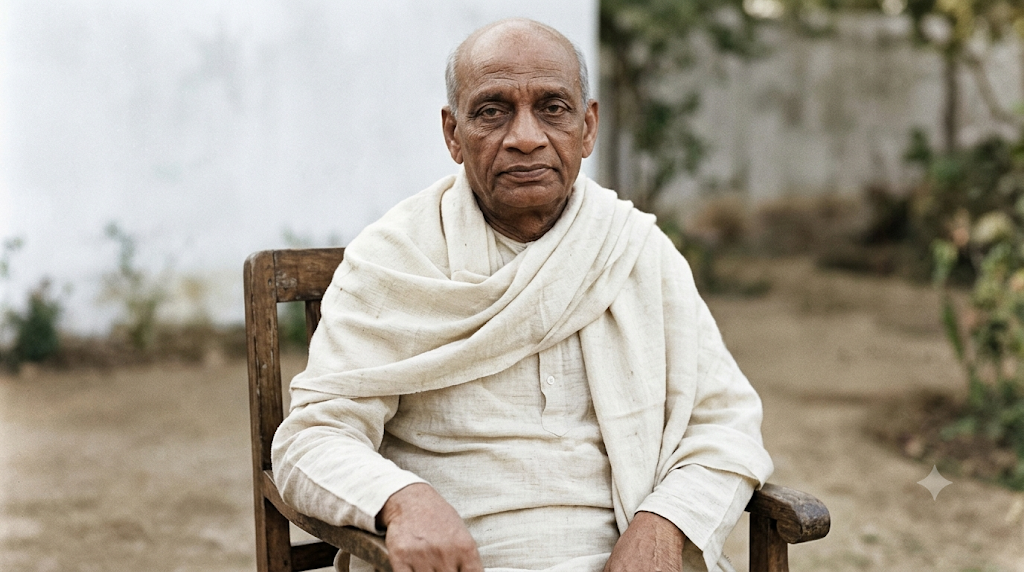
• Sardar Vallabhbhai Patel was born on 31 October 1875 in Nadiad, Gujarat. His Statue of Unity, at 182 metres, is the tallest statue in the world.
• The Indian Air Force was founded on 8 October 1932. It is one of the largest air forces in the world.
• The United Nations was founded on 24 October 1945, and its Charter came into force on that day.
• World Space Week is celebrated from 4 to 10 October. On 4 October 1957, the first artificial satellite, Sputnik 1, was launched.
• The Nobel Prizes are announced in the first half of October every year.
• After the monsoon break, tiger reserves such as Sariska near Alwar usually welcome visitors again around October, when the forest is fresh and green.
Topic 2: The Autumn Season (Sharad Ritu)
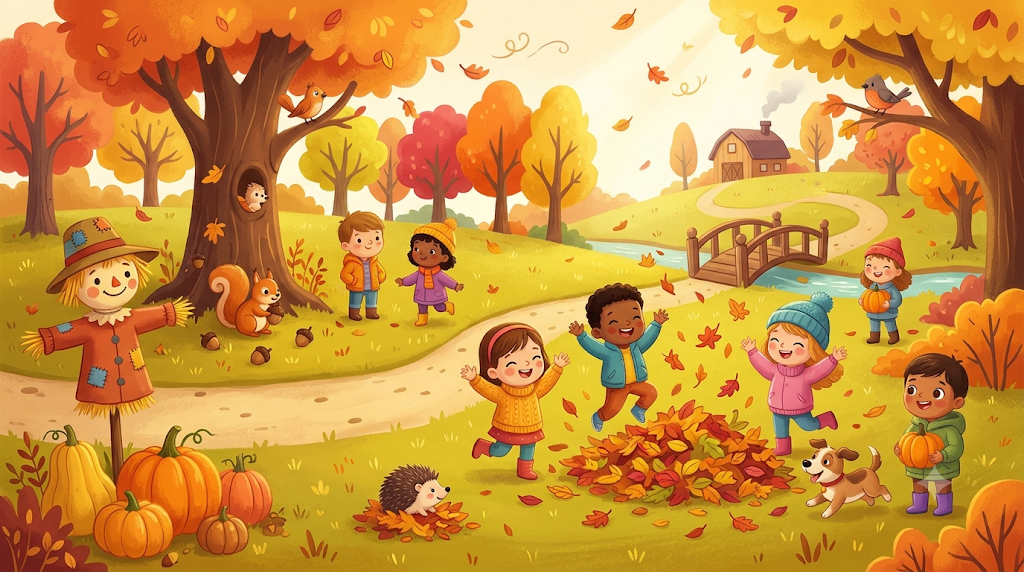
• October falls in Sharad Ritu, the autumn season, which covers the Hindu months of Ashwin and Kartik. Kartik begins in the last week of October.
• The monsoon has gone from Rajasthan, so skies are clear and blue. Days around Alwar are still warm, but mornings and evenings feel cooler and pleasant.
• The Aravalli hills stay green after the rains, and lakes and ponds are full of water.
• Farmers harvest kharif crops like bajra, jowar and maize. Towards the end of the month they start preparing fields and sowing mustard and wheat for the rabi season.
• This is the season of festivals, from Navratri and Dussehra to the lead-up to Diwali. Sharad Purnima, with its bright full moon, is also celebrated in this season.
Topic 3: October Diet & Flora
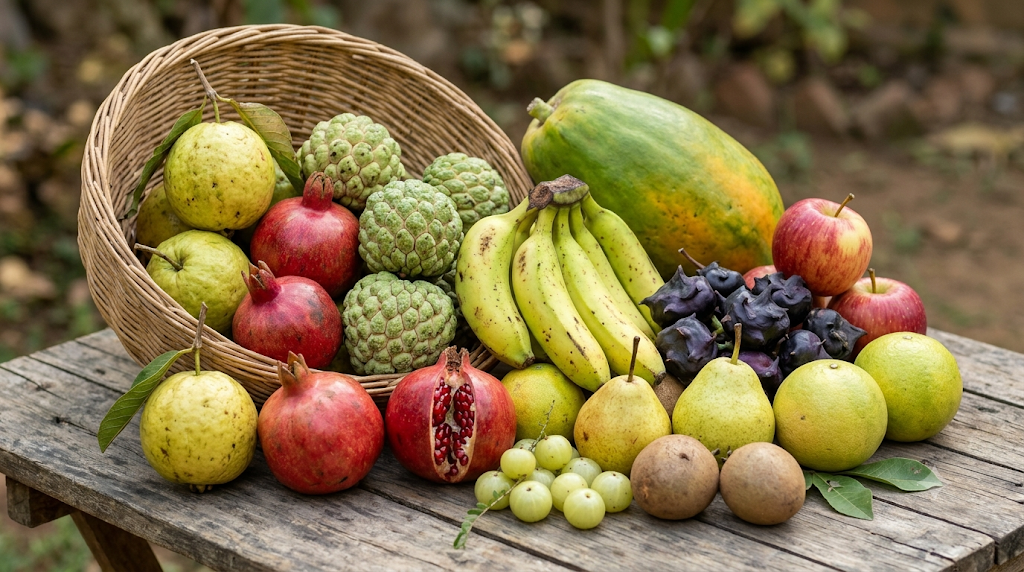
11 Seasonal Fruits:
1. Guava (Amrood)
2. Pomegranate (Anar)
3. Custard Apple (Sitaphal)
4. Banana (Kela)
5. Papaya (Papita)
6. Apple (Seb)
7. Pear (Nashpati)
8. Water Chestnut (Singhara)
9. Sweet Lime (Mosambi)
10. Amla (Indian Gooseberry)
11. Sapota (Chikoo)
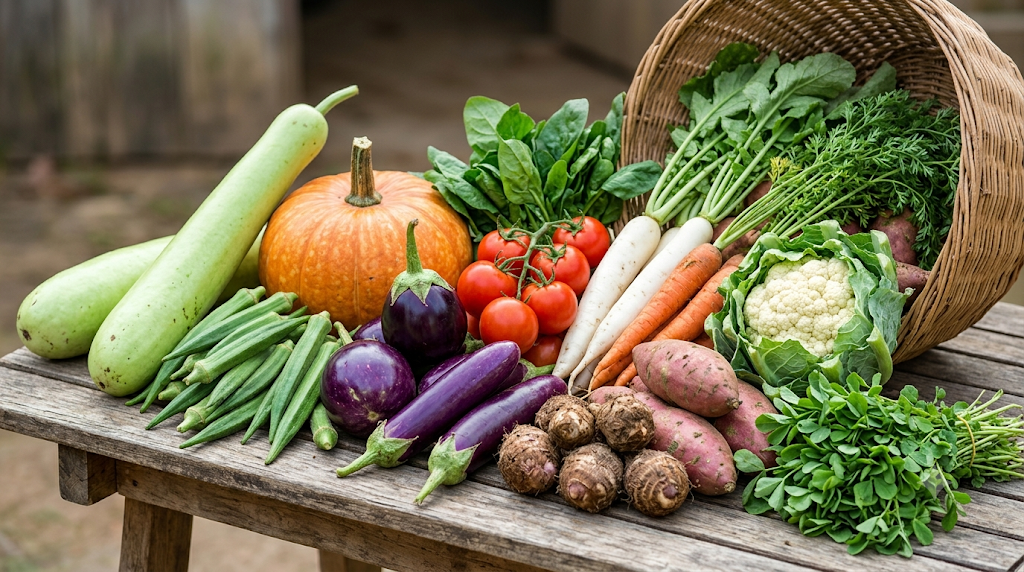
12 Seasonal Vegetables:
1. Bottle Gourd (Lauki)
2. Pumpkin (Kaddu)
3. Okra (Bhindi)
4. Brinjal (Baingan)
5. Tomato (Tamatar)
6. Spinach (Palak)
7. Radish (Mooli)
8. Carrot (Gajar)
9. Cauliflower (Gobhi)
10. Sweet Potato (Shakarkand)
11. Colocasia (Arbi)
12. Fenugreek Leaves (Methi)
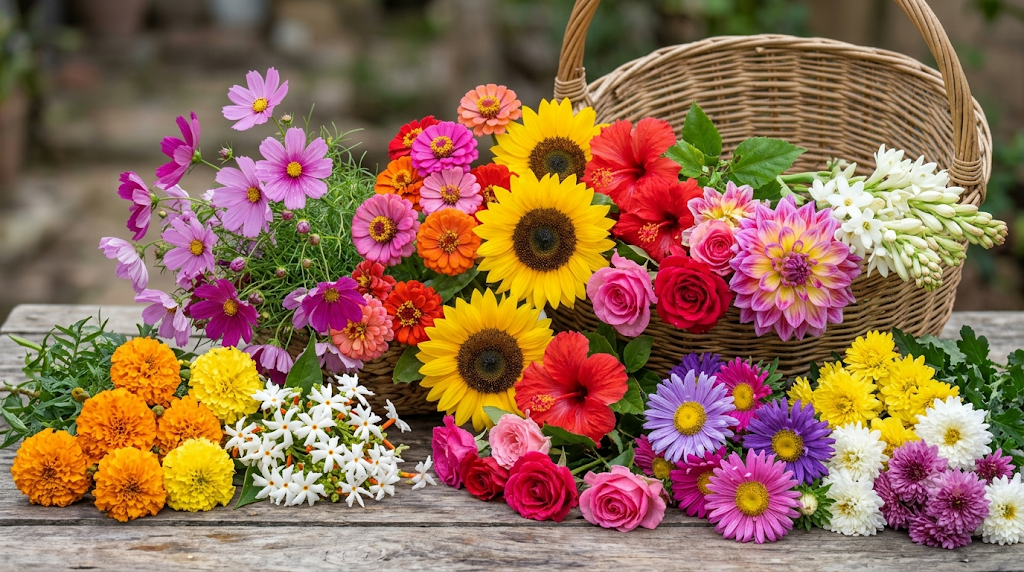
11 Seasonal Flowers:
1. Marigold (Genda)
2. Night Jasmine (Harsingar or Parijat)
3. Cosmos
4. Zinnia
5. Sunflower (Suryamukhi)
6. Hibiscus (Gudhal)
7. Rose (Gulab)
8. Tuberose (Rajnigandha)
9. Dahlia
10. China Aster
11. Chrysanthemum (Guldaudi)
Topic 4: Nature Watch: October in the Aravallis
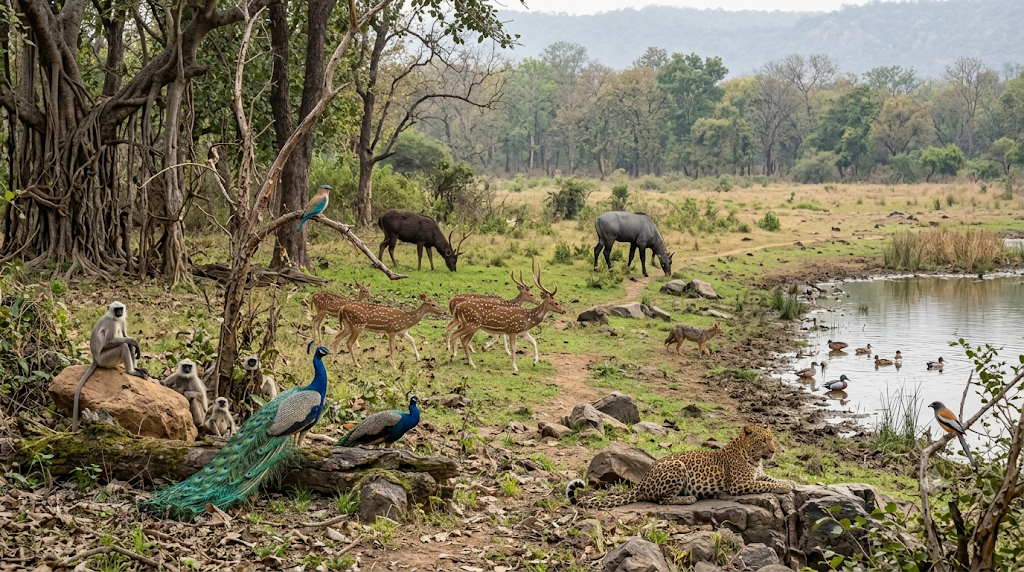
• Indian Peafowl (Mor) (strutting in fields and forest edges, with males slowly regrowing their long feathers after the rains)
• Indian Roller (Neelkanth) (perched on wires and bare branches, swooping down to catch insects in the clear autumn air)
• Sambar Deer (grazing at dawn and dusk on fresh grass near waterholes in the hills)
• Nilgai (feeding on the edges of ripening fields at the foot of the Aravallis)
• Chital (Spotted Deer) (moving in herds through green forest clearings, always alert for danger)
• Grey Langur (sitting in family groups on sun-warmed rocks and playing in trees)
• Indian Leopard (resting on rocky ledges by day and moving quietly at dusk in the pleasant weather)
• Golden Jackal (calling loudly at dusk and wandering the scrub forest in search of food)
• Northern Shoveler (a migratory duck arriving around lakes such as Siliserh to spend the winter)
• Rufous Treepie (calling noisily from acacia and dhok trees as it hunts for insects and fruits)
Topic 5: Festivals & Important Days of October 2026
• October 2 – Gandhi Jayanti and International Day of Non-Violence: We remember Mahatma Gandhi, the Father of the Nation, and his message of truth and non-violence. We also remember Lal Bahadur Shastri, our second Prime Minister, who was born on the same date in 1904.
• October 8 – Indian Air Force Day: The Indian Air Force was set up on 8 October 1932. This day honours our brave air warriors who guard our skies.
• October 15 – World Students’ Day: This day marks the birth anniversary of Dr. A.P.J. Abdul Kalam, a great scientist, teacher and President who loved to inspire students.
• October 16 – World Food Day: This day reminds us not to waste food and to respect the farmers who grow it. It marks the founding of the Food and Agriculture Organization in 1945.
• October 20 – Dussehra (Vijayadashami): Dussehra celebrates the victory of good over evil, remembering Lord Rama’s victory over Ravana and Goddess Durga’s victory over Mahishasura. It comes after the nine nights of Navratri.
• October 31 – National Unity Day (Rashtriya Ekta Diwas): We celebrate the birth anniversary of Sardar Vallabhbhai Patel, who united the many princely states into one India.
Topic 6: Special Focus: Dussehra (Vijayadashami): The Victory of Good over Evil
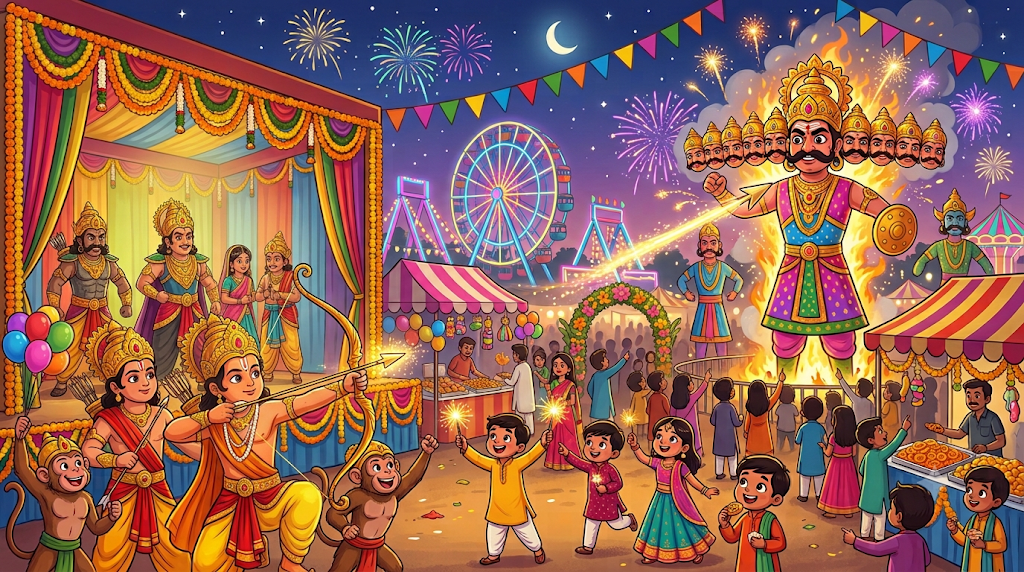
• Dussehra is celebrated on the tenth day (Dashami) of the bright half of Ashwin. It comes after Navratri, the nine nights in which people worship the nine forms of Goddess Durga.
• The festival remembers Lord Rama defeating the ten-headed king Ravana. In many parts of India, it also marks Goddess Durga’s victory over the demon Mahishasura.
• In towns across north India, including Rajasthan, Ramlila plays tell the story of Rama, and tall figures of Ravana, Kumbhkarna and Meghnad are burnt at sunset.
• Many people believe that seeing the Neelkanth (Indian Roller) bird on Dussehra brings good luck. In Rajasthan, the day is also a traditional time to honour the brave Rajput heritage.
• Dussehra is celebrated in different ways across India, such as Durga Puja in Bengal, the Kullu Dussehra in Himachal Pradesh and the grand Mysuru Dussehra in Karnataka. The lesson everywhere is to give up pride, anger and greed.
Topic 7: Inspiring Quotes on Truth, Dreams & Duty
• “My life is my message.” – Mahatma Gandhi
• “Dream, dream, dream. Dreams transform into thoughts and thoughts result in action.” – Dr. A.P.J. Abdul Kalam
• “Jai Jawan, Jai Kisan.” – Lal Bahadur Shastri
Topic 8: Current Affairs (October 2026 Updates)
• To be added.
•
•
Topic 9: Monthly Moral Stories (Character Building)
The Marigold Garland
In a village near Alwar, eight-year-old Meena loved the golden marigolds that bloomed in her grandmother’s courtyard each October. One morning she saw her neighbour Raju, who had no garden, looking sadly at them. ‘Festival time is here, but I cannot buy flowers for our little temple,’ he said. Meena wanted all the flowers for herself, to make the biggest garland in the lane. But she remembered her grandmother saying, ‘A flower shared makes two homes bright.’ So Meena picked half the marigolds and gave them to Raju. Together they sat under the neem tree and made two garlands. Later, Raju brought her a handful of dry marigold seeds from his uncle’s farm. ‘Plant these in the next season,’ he smiled. By the next October, Meena’s courtyard was twice as golden, and both friends were twice as happy.
Moral: Sharing what we have makes everyone’s happiness grow.
Arjun and the Lost Purse
On a cool October evening, Arjun went to the village fair near the Aravalli hills with his father. Lanterns glowed, and the smell of hot jalebis filled the air. Near the swings, Arjun saw a small cloth purse lying on the ground. Inside were a few coins and a slip that read, ‘For Geeta’s school books.’ His friends whispered, ‘Finders keepers! Let us buy jalebis.’ Arjun felt tempted, but he thought of the person who had lost it. He and his father walked to the fair committee tent and handed it over. Soon an old farmer came running, with tears in his eyes. ‘This was for my granddaughter’s books,’ he said. He blessed Arjun, and everyone clapped. That night Arjun ate no jalebis, yet his heart felt lighter than a kite in the clear autumn sky.
Moral: Honesty brings a joy that nothing can buy.
Topic 10: Festival Stories (Cultural Heritage)
Rama, Ravana and Vijayadashami
Long ago, Prince Rama of Ayodhya was sent to the forest for fourteen years with his wife Sita and brother Lakshmana. Ravana, the powerful king of Lanka, was learned but very proud. He carried Sita away to his kingdom. Rama, with the help of Hanuman and the vanar sena, built a bridge across the sea and reached Lanka. For many days a great battle was fought. Ravana had ten heads and great strength, but Rama stayed calm, truthful and brave. On the tenth day, Rama defeated Ravana and freed Sita. Goodness had won over evil. In many parts of India, people also remember Goddess Durga’s victory over the demon Mahishasura on this day. Even today, on Vijayadashami, Ramlila plays are performed in towns like Alwar, and tall figures of Ravana are burnt. They remind us to burn the ‘Ravana’ inside us: pride, anger and greed.
Moral: Truth and goodness always win over pride and evil.
Gandhiji and the Salt March
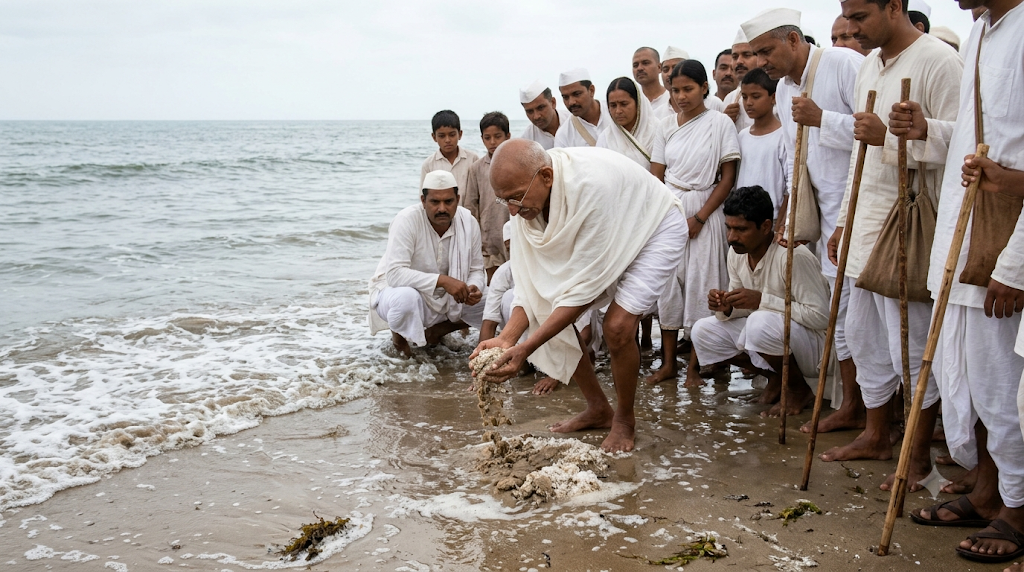
In 1930, the British government made a law that Indians could not make their own salt, and they had to pay a heavy tax on it. Salt was needed by every family, rich or poor. Mahatma Gandhi, born on 2 October 1869 in Porbandar, decided to protest peacefully. On 12 March, he began a walk from Sabarmati Ashram with 78 followers. They walked about 240 miles to the sea at Dandi in Gujarat. All along the way, thousands of villagers joined them. On 6 April, Gandhiji picked up a lump of natural salt on the beach, breaking the unfair law without hurting anyone. The march inspired millions across India. It showed that ahimsa, or non-violence, and truth can be stronger than any weapon. Today, the world remembers his birthday as the International Day of Non-Violence.
Moral: Peaceful and truthful action can change the world.
Sardar Patel and One India
When India became free in 1947, there were more than 560 princely states, each ruled by its own king. If they stayed separate, India could break into many small pieces. Sardar Vallabhbhai Patel, born on 31 October 1875, became the first Deputy Prime Minister and Home Minister. With patience, wisdom and firm talks, he persuaded most rulers to join India. Our own region joined this story too. In March 1948, Alwar, Bharatpur, Dholpur and Karauli came together as the Matsya Union, and in 1949 they became part of Rajasthan. Because of his iron will, Patel is called the ‘Iron Man of India.’ His birthday is celebrated as National Unity Day, and the tall Statue of Unity in Gujarat honours him. Together, we are stronger.
Moral: Unity makes a nation strong